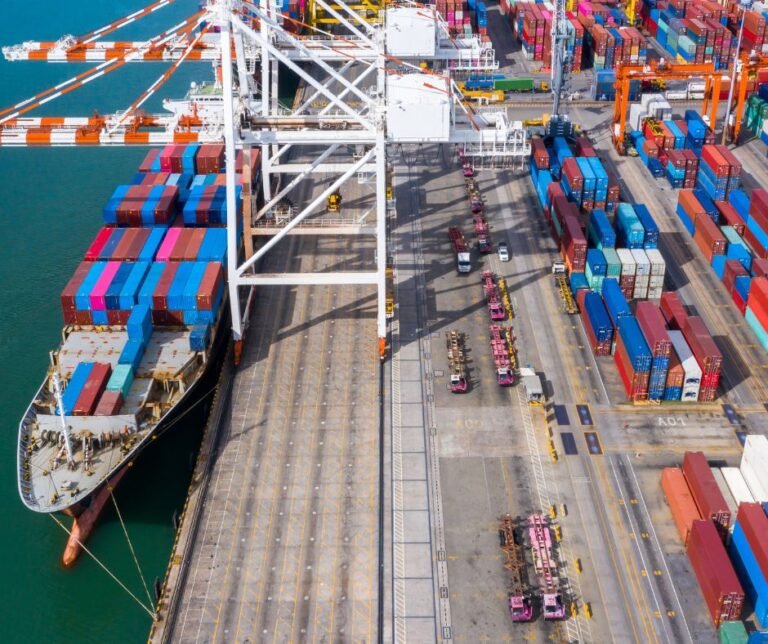
Remote areas in Egypt represent one of the largest untapped growth opportunities for expanding businesses. Demand is rising beyond major cities, driven by increasing e-commerce adoption and broader digital access. Yet, shipping to remote areas in Egypt is not as simple as extending a delivery route.
Infrastructure gaps, lower drop density, longer transit times, and higher return risks make remote shipping significantly more complex than urban fulfillment. What appears to be market expansion can quickly turn into margin erosion without the right logistics strategy. For businesses operating at scale, remote delivery is not just an operational issue; it is a strategic decision that directly impacts profitability and customer trust.
The Logistical Barriers of Shipping to Remote Areas in Egypt
Shipping outside major urban corridors in Egypt introduces structural limitations that many businesses underestimate. While demand may exist, logistics infrastructure is not evenly distributed, creating operational friction that directly affects delivery reliability and cost.
Key barriers include:
- Limited last-mile coverage in rural governorates with fewer active delivery routes.
- Sparse distribution hubs, increasing transit distances and fuel expenses.
- Inconsistent addressing systems, requiring manual coordination with customers.
- Lower shipment density, raising the cost per package.
- Reduced delivery frequency, leading to longer lead times.
Individually, these gaps may seem manageable. Combined, they create performance instability that makes remote shipping significantly more complex than urban fulfillment.
The Financial and Operational Impact of Poor Remote Delivery
When remote shipping is not strategically managed, the consequences extend beyond delayed deliveries. The financial strain often accumulates gradually, affecting margins, operational efficiency, and long-term customer loyalty.
The most common impacts include:
- Increased return-to-origin costs, as failed deliveries require reverse handling and additional transportation
- Higher operational expenses, driven by fuel consumption, extended routes, and lower delivery density
- Longer cash cycles, particularly in cash-on-delivery models where delays slow revenue realization
- Lower repeat purchase rates, as inconsistent service reduces customer trust
- Hidden administrative burden, from resolving delivery disputes and coordinating redelivery attempts
Over time, these inefficiencies compound. What appears to be a manageable logistics issue can quietly erode profitability and brand credibility, especially in competitive markets where delivery experience directly influences customer retention.
Practical Strategies to Improve Remote Shipping Performance
Improving remote shipping performance requires more than expanding coverage. It demands structural adjustments in how businesses select carriers, manage fulfillment, and monitor delivery outcomes. With the right approach, remote regions can shift from operational strain to controlled expansion.
Effective strategies include:
- Adopting a multi-carrier model, selecting different providers based on regional strength rather than relying on a single nationwide partner.
- Establishing regional fulfillment points to reduce long-haul transit distances.
- Segmenting delivery zones to optimize route planning and frequency.
- Implementing proactive customer confirmation to reduce failed delivery attempts.
- Monitoring return-to-origin patterns to identify high-risk areas and adjust strategy accordingly.
Remote logistics performance improves when decisions are based on coverage data and real operational results.
What to Look for in a Shipping Partner for Remote Coverage
The right partner demonstrates consistent delivery strength in hard-to-reach regions, not just broad coverage claims.
Key evaluation criteria include:
- Verified coverage by governorate, supported by operational presence.
- Proven performance in low-density zones, with stable delivery success rates.
- Clear service level agreements (SLAs) defining timelines and accountability.
- Robust cash-on-delivery management, with accurate reconciliation and transparent reporting.
- Infrastructure depth beyond major cities, including regional hubs or local partnerships.
Selecting a shipping partner for remote areas must be a data-informed decision. The gap between theoretical reach and operational execution can directly determine delivery reliability, cost control, and long-term profitability.
Technology’s Role in Solving Remote Logistics Gaps
Remote logistics challenges are often structural, but technology reduces their impact. When infrastructure is uneven, visibility and optimization become critical tools for maintaining delivery performance.
Modern logistics systems help businesses address remote delivery gaps through:
- Route optimization tools that reduce fuel consumption and improve delivery efficiency in low-density areas.
- Real-time tracking systems that enhance transparency and reduce customer uncertainty.
- Performance analytics dashboards that monitor success rates by region.
- Cash-on-delivery reconciliation systems that improve financial accuracy and reduce disputes.
- Delivery confirmation technologies that minimize failed attempts.
Technology does not eliminate geographic constraints, but it increases control. With the right systems in place, businesses can identify weaknesses early, adjust carrier strategy, and maintain consistency even in hard-to-reach regions.
How Skipper Simplifies Remote Shipping Partner Discovery
Finding the right carrier for remote areas often involves trial and error. Businesses rely on referrals, fragmented research, or broad coverage claims without clear performance visibility. This slows decision-making and increases operational risk.
Skipper centralizes shipping providers into one structured platform, allowing businesses to evaluate options with clarity.
Through Skipper, companies can:
- Compare providers based on geographic coverage and service scope.
- Identify carriers with strength in specific governorates or rural regions.
- Review available logistics services, from cargo shipping to supply chain solutions.
- Reduce reliance on assumptions by organizing relevant partner information in one place.
Instead of testing multiple carriers blindly, businesses can approach remote shipping selection with greater structure and confidence.
Turning Remote Areas Into a Scalable Growth Opportunity
Expanding into underserved regions is no longer optional for growth-focused businesses. For many, shipping to remote areas in Egypt represents the next competitive advantage. Demand extends well beyond major cities, but capturing it requires visibility, structured evaluation, and the right logistics partnerships.
Skipper enables that shift by organizing shipping providers into a transparent, comparable framework. Instead of relying on fragmented research or broad coverage claims, businesses can assess partners with clarity and confidence.
If remote expansion is part of your strategy, approach it with precision.
Discover the right shipping partners on Skipper and build a stronger nationwide logistics network today.